
All Things Coca
A newsletter to share events, research, art, and stories fostering a global community around the coca leaf

Welcome to our first Liberate the Leaf Substack from BPRA to connect people interested in the coca leaf to share information about this beneficial plant.
The medicinal and cultural uses of coca leaf are markedly limited in most places around the world, and yet its benefits are compelling. We feel that it’s time to liberate this plant from those confines and learn more about its rich heritage. The Wisdom of the Leaf Coca Summit featured amazing connections and the sharing of information; we are continuing that with this biweekly Liberate the Leaf newsletter. Our intention is to bring meeting lecture summaries together from around the globe, and provide a home for everyone to connect, share and organize around the coca leaf.
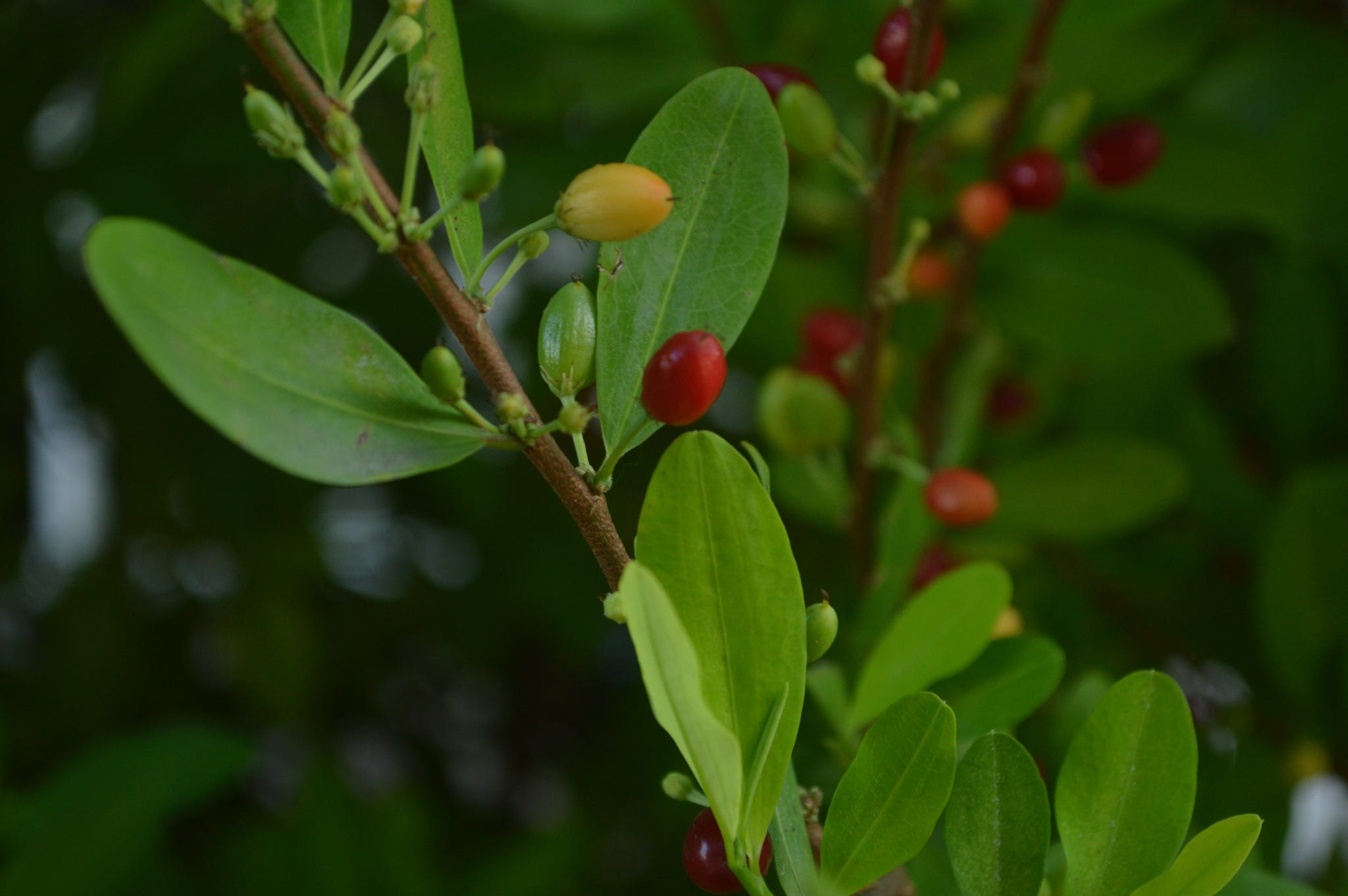
(Erythroxylum coca - Coca)
To start off 2026 a new pilot study investigating the effects of traditional coca chewing on cortisol concentrations in Andean miners has been published in the Journal of Ethnopharmacology (1). The research study was conducted by a group of Peruvian researchers including LA Lopez-Chau, A. Pastor-Goyzueta and T. Llosa.
High altitude mining is known to cause high levels of physical and psychological stress and is linked to disruptions in the stress biomarker cortisol (2). Traditional coca chewing has been reported to mitigate fatigue and enhance endurance, and its pharmacological profile includes alkaloids that may modulate chronic stress responses in the body.
The authors included 20 male high altitude Andean miners; 10 that were daily coca chewers and 10 that were non coca chewers. To control for the variable work hours each group was subdivided by work shift (day vs night). At 8 am and 4 pm serum cortisol was measured and coca chewing exposure was confirmed with benzoylecgonine testing, a laboratory test to detect coca compounds. The authors report that:
“Coca chewers were found to have significantly lower cortisol levels than non-chewers at both time points. The most pronounced difference was observed at 8:00am. Among the night-shift workers (17.17μg/dL vs 8.90μg/dL, p<0.001, d=4.67). “
This is an important pilot study as the results indicate that traditional coca chewing improves the body’s response to extreme occupational stress including circadian rhythm disruptions. More research is needed to better understand the effects of traditional coca chewing on the human body but this study is a nice start to the new year to understand this incredible plant!
UPCOMING EVENT:
COCA-i-NA-DA-MAS Exhibition- February 5th-26th, 2026 at Sala Colpatria of Universidad de los Andes in Bogotá, Colombia.
An interdisciplinary exhibition led by the Universidad de los Andes that seeks to open a space for dialogue, critical reflection, and sensory engagement around the coca leaf-its complex symbolism, its botanical and cultural richness and its central role in the historical, ecological, and political fabric of Colombia.
We invite all of our readers to email information such as articles, meeting announcements, and meeting summaries to LiberatetheLeaf@bpra.org. We can include them in the Liberate the Leaf newsletter.
We can’t wait to hear from all of you.
BPRA team
Resources:
Lopez-Chau LA, Pastor-Goyzueta A, Llosa T. Traditional coca chewing and cortisol modulation in Andean miners: A pilot quasi-experimental repeated-measures study on stress physiology at high altitude. J Ethnopharmacol. 2026 Jan 30;355(Pt A):120630. doi: 10.1016/j.jep.2025.120630. Epub 2025 Sep 24. PMID: 41005469.
James C, Tynan R, Roach D, Leigh L, Oldmeadow C, et al. (2018) Correlates of psychological distress among workers in the mining industry in remote Australia: Evidence from a multi-site cross-sectional survey. PLOS ONE 13(12): e0209377. https://doi.org/10.1371/journal.pone.0209377